La Quinta Country Club, CA | Homes For Sale
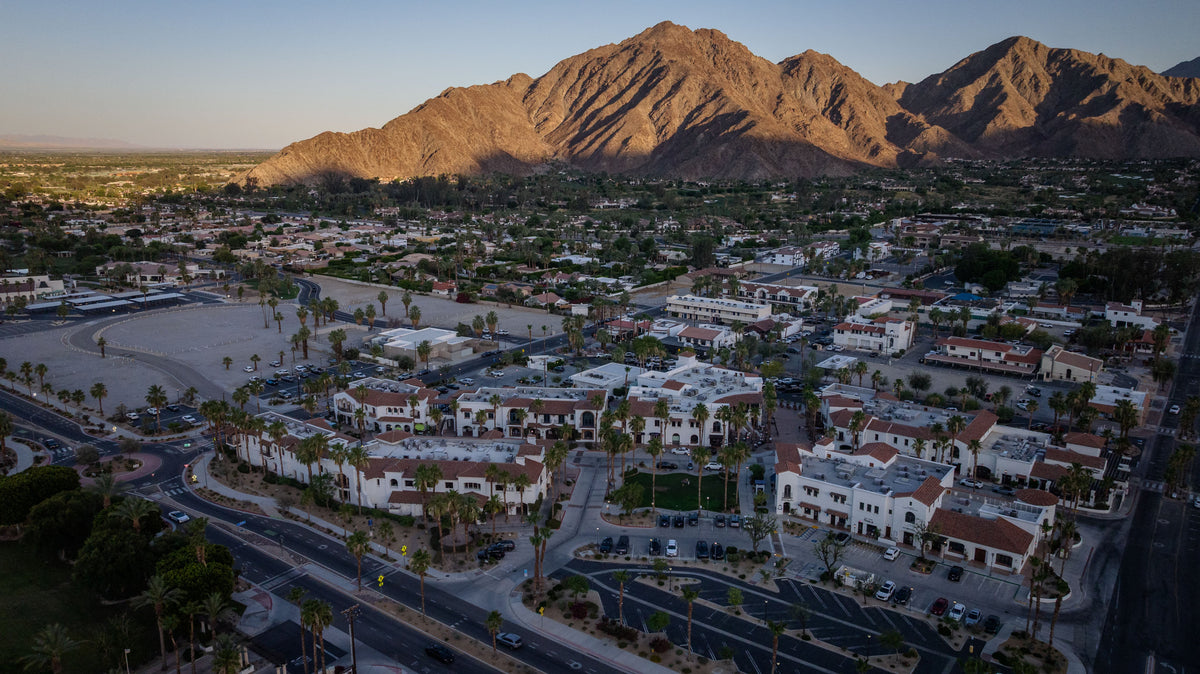
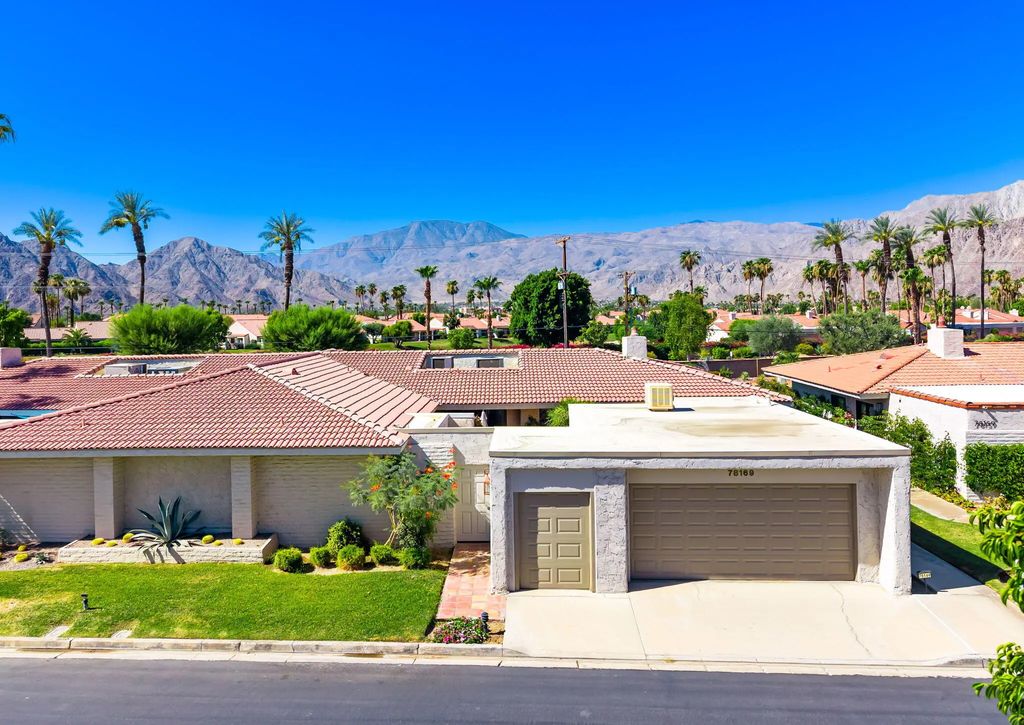
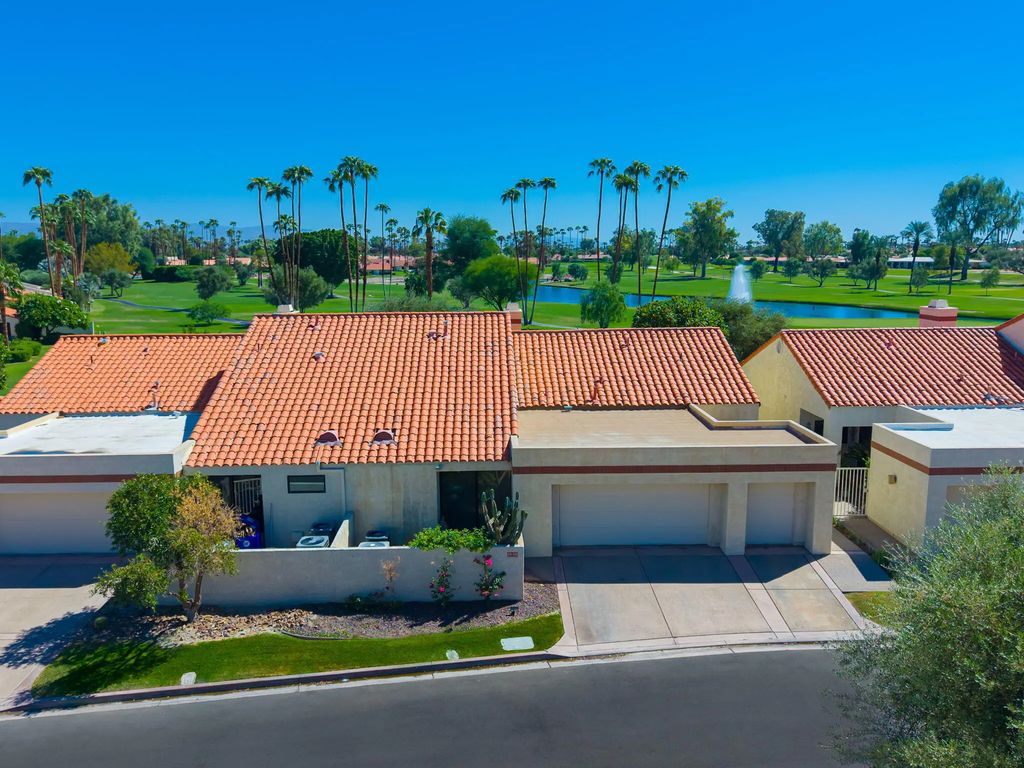
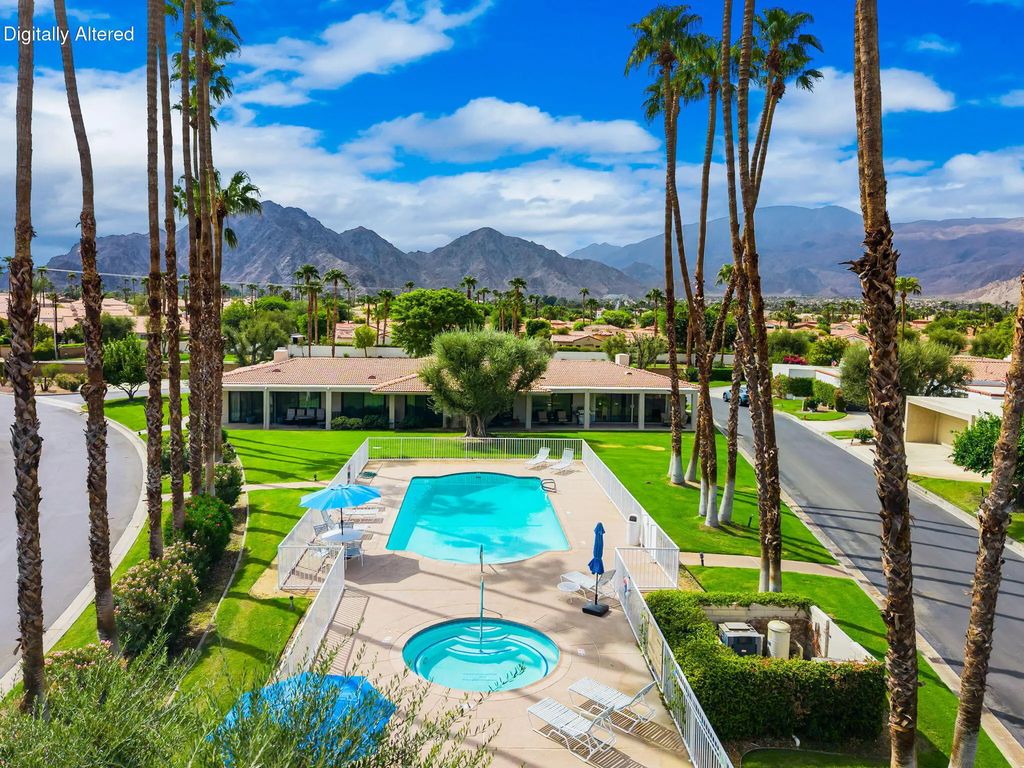
La Quinta Country Club is one of historic La Quinta’s most established country club communities, with a far more layered housing mix than many desert clubs. In the MLS history we reviewed, the neighborhood shows a real blend of detached homes and attached residences spread across distinct enclaves such as Golf Estates, Montero Estates, Lago La Quinta, Club La Quinta, Villas of La Quinta, Fairways, and the Estates. Roughly seven out of ten recorded properties are 3-bedroom homes, and the plan mix runs from lock-and-leave condos around 1,368 and 1,558 square feet to larger golf estate homes well above 4,000 square feet, with recurring sizes around 1,960, 2,183, 2,273, 2,332, and 2,450 square feet. Mountain views dominate the MLS language, with golf course, lake, and panoramic settings showing up repeatedly across the inventory, giving La Quinta Country Club a scenic identity that feels broader than a simple fairway neighborhood.
- All Listings
- $400,000 - $500,000
- $500,000 - $600,000
- $700,000 - $800,000
- $900,000 - $1,000,000
- Over $1,000,000
Real Estate
• Layered Product Mix: La Quinta Country Club is best understood as a multi-part neighborhood rather than a single-product country club. The uploaded MLS history shows detached homes slightly outnumbering attached residences overall, which gives buyers a wider menu of options than in condo-heavy club communities.
• Distinct Enclaves Within One Address: Golf Estates and Montero Estates carry much of the larger-home, estate-style side of the market, while Lago La Quinta, Club La Quinta, Villas of La Quinta, and Fairways supply much of the attached and lock-and-leave inventory. That range is part of the appeal here because buyers can shop for very different lifestyles without leaving the same overall La Quinta Country Club orbit.
• Classic Old-La Quinta Character: The MLS remarks repeatedly point to patios, courtyards, vaulted or cathedral ceilings, wet bars, fireplaces, golf cart garages, and strong indoor-outdoor flow. The core of the housing stock leans heavily into 1960s, 1970s, and 1980s construction, so the neighborhood tends to feel established, mature, and character-driven rather than newly manufactured.
Lifestyle
• Historic La Quinta Positioning: One of the area’s strongest advantages is location. In the uploaded remarks, La Quinta Resort and Old Town La Quinta come up again and again, which reflects how closely the neighborhood is tied to dining, shopping, hospitality, and the broader village feel of La Quinta.
• More Than Golf: The lifestyle here extends beyond fairways. The private club emphasizes dining, fitness, pickleball, wellness, and an active social calendar, which helps explain why the area works not just for golfers, but also for full-time owners, seasonal residents, and buyers who want an active desert base with real community around it.
• Membership Should Be Verified Separately: An important point for buyers is that homeownership and club membership are not automatically the same thing. Because club categories, dues, access, guest privileges, and HOA or rental rules can evolve over time, buyers should verify the current structure during escrow.
Golf
Golf is central to La Quinta Country Club’s identity, but the tone here is different from newer desert clubs built mainly around scale or spectacle. The course opened in 1959, was designed by Lawrence M. Hughes, and carries real tournament heritage tied to the event now known as The American Express. It also has the kind of long-view desert pedigree that fits the broader character of the neighborhood: classic, established, and recognized for quality rather than novelty.
The Course at La Quinta Country Club
Rather than selling golf through excess, La Quinta Country Club tends to appeal through tradition, setting, and repeatability. Mature trees, lakes, bunkering, and the Santa Rosa Mountain backdrop give it a more classic desert-country-club personality than many newer communities.
Key features include:
• A Lawrence M. Hughes design with deep roots in Coachella Valley golf history.
• A traditional desert routing framed by mature landscaping, mountain views, lakes, and strategic bunkering.
• A private club environment that extends beyond golf into dining, fitness, pickleball, wellness, and social programming.
Analogy For Understanding
Buying in La Quinta Country Club is like choosing historic La Quinta’s original social-and-golf orbit instead of a newer master-planned club community. Some country clubs sell themselves through newness, uniformity, or sheer scale. La Quinta Country Club sells something different: history, recognizable identity, a wider spread of home types, and a setting that feels tied to the Santa Rosa Mountains, the resort core, and the classic desert lifestyle that made La Quinta one of the valley’s most enduring addresses.
FAQ
What types of homes are available in La Quinta Country Club?
La Quinta Country Club offers a diverse mix of real estate, including single-family golf estate homes, detached residences, and attached condos. Buyers can find everything from smaller lock-and-leave villas around 1,300–1,500 sq ft to larger custom homes exceeding 4,000 sq ft.
What is the typical price range in La Quinta Country Club?
Home prices generally range from the mid-$500,000s for condos to over $3 million for larger golf estate homes, depending on location, views, and level of renovation.
Are most homes in La Quinta Country Club 3-bedroom properties?
Yes. Based on MLS trends, roughly 70% of the homes in the community feature 3-bedroom layouts, making it one of the most common configurations.
What are the main neighborhoods within La Quinta Country Club?
The community is made up of several distinct enclaves, including Golf Estates, Montero Estates, Lago La Quinta, Club La Quinta, Villas of La Quinta, Fairways, and The Estates—each offering a slightly different lifestyle and housing style.
Does La Quinta Country Club offer golf course homes?
Yes. Many homes are positioned along the golf course and offer fairway views, along with mountain, lake, and panoramic desert scenery.
Is La Quinta Country Club a private golf club?
Yes. La Quinta Country Club is a private club, and membership is separate from homeownership. Buyers should verify membership options, dues, and availability during escrow.
When was the golf course at La Quinta Country Club built?
The course opened in 1959 and was designed by Lawrence M. Hughes. It has a long-standing reputation and has been associated with professional tournament play, including what is now The American Express.
What amenities are available at La Quinta Country Club?
Amenities typically include golf, dining, fitness facilities, pickleball, social events, and wellness programs, creating a well-rounded country club lifestyle beyond just golf.
How does La Quinta Country Club compare to newer country clubs?
La Quinta Country Club offers a more established, classic desert-country-club feel, with mature landscaping, historic architecture, and a wider range of home styles compared to newer, more uniform master-planned communities.
Are there HOA fees in La Quinta Country Club?
Yes, most properties are part of an HOA, but fees vary depending on the specific enclave. Buyers should review HOA dues, inclusions, and regulations for each section of the community.
Is La Quinta Country Club close to Old Town La Quinta?
Yes. One of the community’s key advantages is its proximity to Old Town La Quinta and La Quinta Resort, offering easy access to dining, shopping, and local events.
Are homes in La Quinta Country Club good for seasonal or full-time living?
Both. The mix of lock-and-leave condos and larger estate homes makes the community appealing to seasonal residents, second-home buyers, and full-time homeowners alike.
What architectural styles are common in La Quinta Country Club?
Homes often reflect classic desert architecture from the 1960s through 1980s, featuring elements like courtyards, vaulted ceilings, fireplaces, wet bars, and strong indoor-outdoor living design.
Are short-term rentals allowed in La Quinta Country Club?
Rental rules vary by HOA and specific enclave. Buyers should verify current short-term rental policies, restrictions, and permit requirements before purchasing.
What makes La Quinta Country Club unique compared to other La Quinta communities?
Its combination of history, location, architectural character, and diverse housing options sets it apart. It offers a more organic, layered neighborhood feel rather than a single-product, master-planned environment.